Up 25% more tracked data after fixing 40% data gap between platforms

OMA, a strategic digital agency managing multiple clients, struggled with inconsistent tracking data across platforms despite standardized setups for their 40+ clients. They faced up to 40% deviations in attribution, translating into unreliable insights and never-ending data questioning. In this case study, we analyze the results after the implementation of Server-side Tracking with TAGGRS, which delivered not just a 5-25% uplift in tracked data but also utmost reliability and peace of mind.

Challenge: 40% data discrepancy between platforms
When OMA audited their clients’ ad performance, a pattern emerged: some clients saw deviations of up to 40% between systems like GA4 and ad platforms, signaling lost conversions and inaccurate attribution.
At that level, you don't know if your campaigns are working or if your budget is going to the right places. The root cause was two-fold:
- client-side tracking leaking data, due to browsers privacy restrictions and ad blockers
- 9 out of 10 incorrect cookie banners causing non-consented tracking blocks.

Solution:
TAGGRS Server-side Tracking
To address these challenges, OMA explored different Server-side Tracking providers. Experiments with Google Cloud server-side failed due to complexity and instability; other competitors raised red flags: "One day in Ukraine, then Dover, then New York… What kind of party is this?" Unclear structures bred distrust.
Trust matters when you're handling client data. TAGGRS offered a clear structure, stable platform, transparent data handling, and reliable support.

After successful testing, OMA now uses TAGGRS for over 40 clients. This positioned Server-side Tracking as foundational (not just a hack) enabling accurate agency work and scalable setups.
The cookie banner fix was equally important. Getting consent right wasn't just a compliance exercise. Because a correctly configured banner means that when a user does consent, the tracking actually fires as intended, rather than silently failing due to a misconfigured setup.
COOKIE BANNER OPTIMIZATION
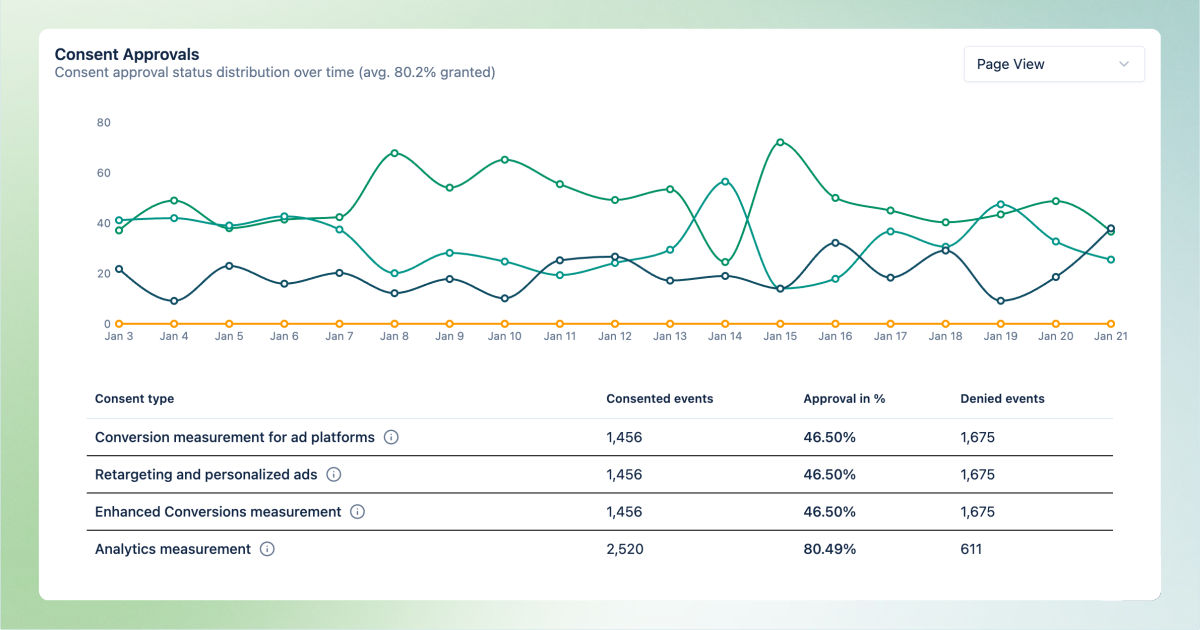
Results: trustworthy data
Post-implementation, OMA recovered 5-25% more data for their clients, closing the initial gap: "They measure more, and closer to the truth." Inconsistent setups vanished, boosting operational reliability. OMA now delivers with more possibilities and peace of mind.
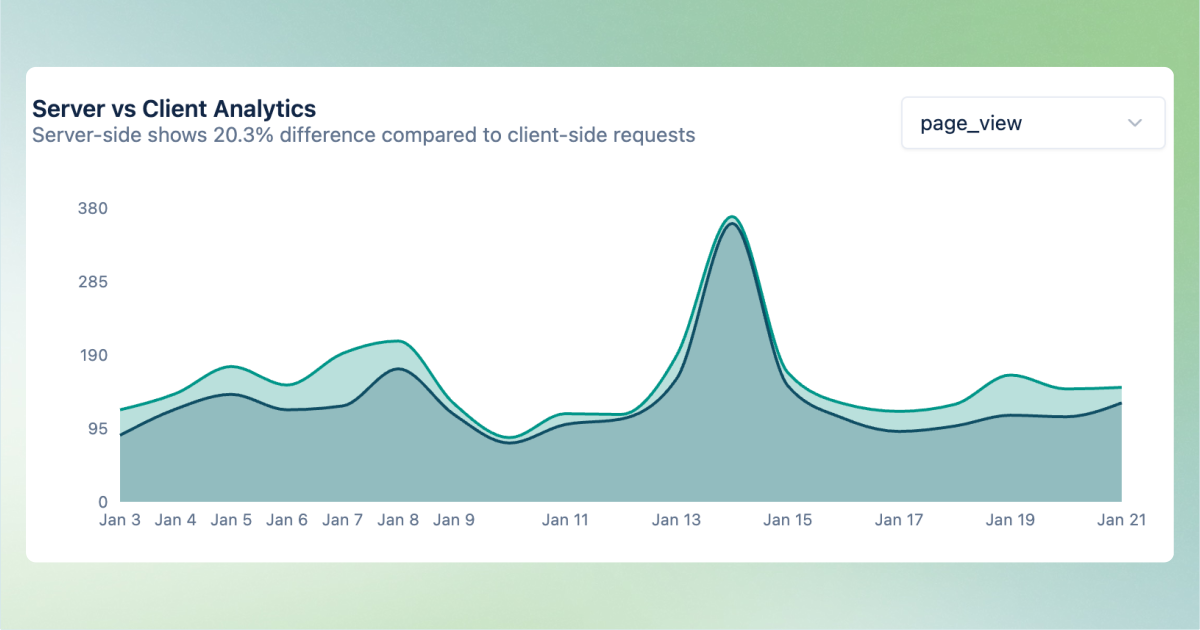

Key Takeaways
- Server-side Tracking fixes structural issues, not just uplifts data: ideal for multi-client agencies standardizing workflows.
- Cookie banners demand technical validation; most "compliant" ones fail audits.
- TAGGRS eliminates vendor risks, enabling repeatable scaling across clients.
- Focus on results over privacy: Accurate attribution drives turnover.
Browse other case studies
See how TAGGRS Server-side Tracking helps marketing agencies grow worldwide.